Table of Content
Step 1 — Market Research and Positioning
Step 2 — eCommerce Platform Selection
Step 3 — Website Development and Content Creation
Step 4 — Product Procurement and Inventory Management
Step 5 — Logistics and Order Delivery
Step 6 — Marketing Promotion and Customer Service
Potential Challenges
Client Cases
ePlus One-Stop eCommerce Services
With the booming growth of online shopping in Hong Kong, starting an online store has become a popular choice for entrepreneurs. According to Statista data, the global eCommerce retail sales reached 6.01 trillion USD in 2024, with an expected increase to 6.42 trillion USD in 2025. Leveraging its advanced digital infrastructure and high consumer engagement, Hong Kong offers vast opportunities for entrepreneurs. In this edition of e+Solutions eCommerce Logistics Guide, we will introduce the process and challenges of starting an online store in Hong Kong, helping new store owners improve operational efficiency.
Step 1 — Market Research and Positioning
The first step in starting an online store is conducting market research to identify the target audience, product types and brand positioning. Hong Kong’s consumer market is diverse, and analyzing competitors’ products, pricing and marketing strategies can help establish a differentiated positioning. Using tools like Google Trends or popular Threads hashtags to gain insights into consumer trends, and planning promotions for festivals (e.g., Lunar New Year, Christmas), can attract initial traffic.
Step 2 — eCommerce Platform Selection
Selecting the right eCommerce platform is key to success. Popular platforms in Hong Kong include:
| Platform | Features |
| Shopify | Offers powerful SEO tools and internationalization features, suitable for cross-border eCommerce. |
| SHOPLINE | Provides localized support, user-friendly operation and cost-effective solutions, ideal for small and medium enterprises. |
| HKTVmall | Boasts a large local user base, attracting brands of all sizes. |
Before launching an online store, merchants must secure business registration, establish payment options like PayPal and AlipayHK, and purchase appropriate domains for brand credibility. Platform selection should balance processing fees, interface customization, and integration with logistics and inventory management systems. Though self-built websites offer maximum control, startups with limited resources may benefit from using established eCommerce platform to test market viability.
Step 3 — Website Development and Content Creation
The design of the website directly impacts the customer experience, requiring a simple, clear interface compatible with both desktop and mobile devices. High-quality product images, detailed descriptions and compelling brand stories enhance consumer trust. For example, adding photos of products in use or short demonstration videos can boost appeal. Search engine optimization (SEO) is another key factor. Stores should use relevant keywords (e.g., “Hong Kong organic skincare”) in product titles and descriptions and ensure fast loading speeds to improve search rankings.
Step 4 — Product Procurement and Inventory Management
Product procurement requires stability in supply chain. When sourcing from local or international suppliers, signing clear agreements can reduce the risk of stockouts.
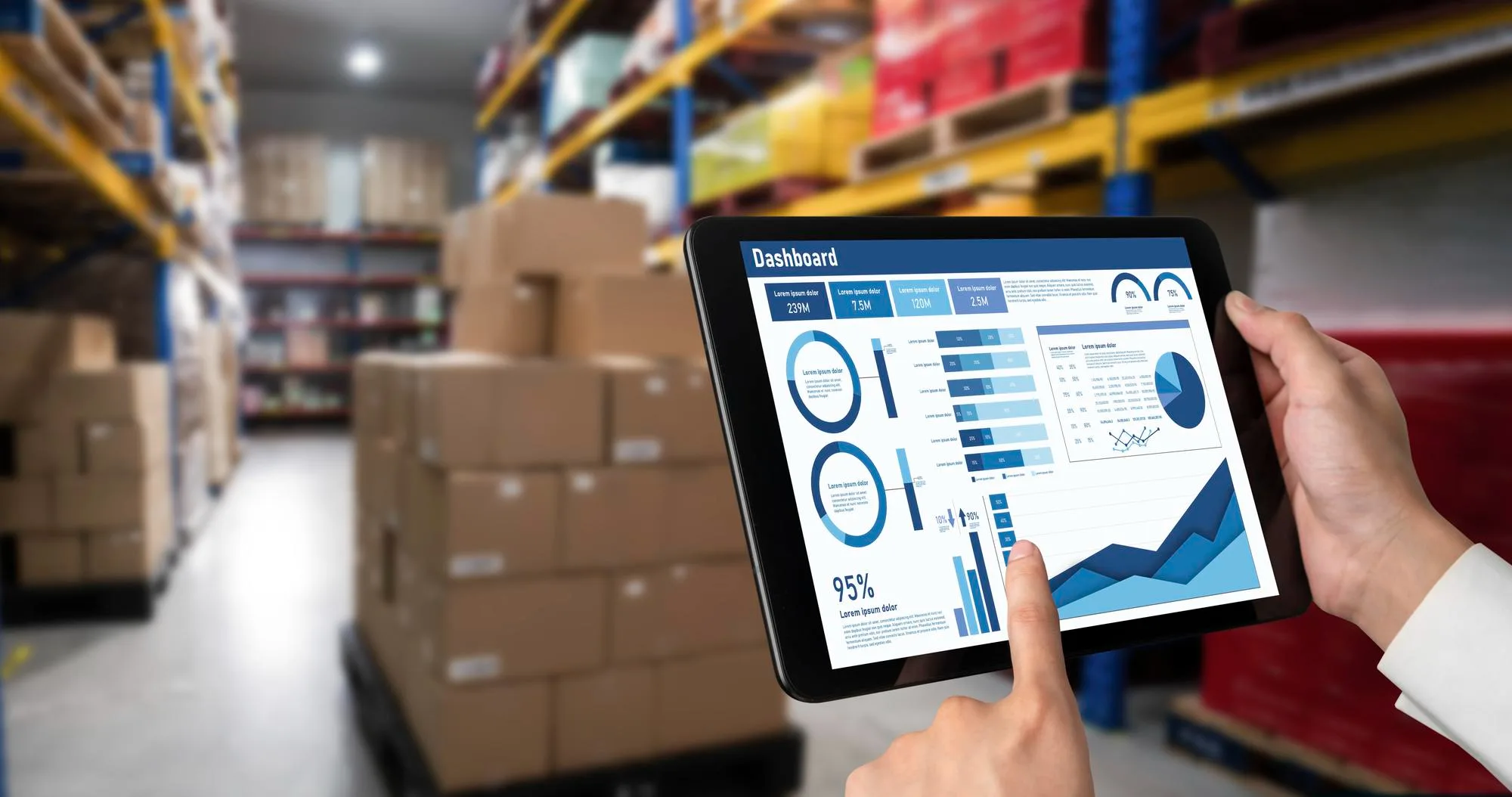
Additionally, inventory management directly impacts customer shopping experience and operational efficiency. During the initial startup phase, business owners can begin with simple inventory record sheets. However, as the business expands and systematic management becomes necessary, store owners can consider using third-party logistics (3PL) inventory management services (e.g., ePlus’s self-developed smart logistics system) to track stock levels, predict replenishment needs and avoid overstocking or stockouts. For peak selling seasons like holidays, advance inventory planning is essential. Meanwhile, implementing barcode systems and digital inventory records can improve operational efficiency and reduce human error.
Step 5 — Logistics and Order Delivery
Beyond inventory management, 3PL providers can also coordinate all logistics and order delivery matters. When selecting a logistics partner, delivery efficiency and accuracy are primary considerations. Fast order processing and on-time delivery are essential for customer satisfaction and brand reputation, while logistics systems must integrate seamlessly with eCommerce platform to ensure automatic order synchronization and expedited shipping. Operational flexibility is equally important, with service providers offering scalable solutions based on merchant volume.
Additionally, the delivery network coverage of the 3PL is a crucial consideration. Beyond local delivery services, cross-border logistics capabilities can help businesses expand into overseas markets, creating greater development opportunities.
Step 6 — Marketing Promotion and Customer Service
Effective marketing strategies can enhance a store’s brand visibility. Posting short videos on social media, engaging with popular hashtags (e.g., #HongKongShopping), and collaborating with KOLs can quickly attract the target audience. Email marketing and limited-time offers can also stimulate purchases. In terms of customer service, promptly responding to inquiries and providing convenient return processes are essential for boosting customer loyalty.

Potential Challenges
1. Complex Order Processing: Small teams or store owners lacking logistics experience may struggle to handle large order volumes and logistics tasks (e.g., packaging, shipping), potentially causing delays and affecting efficiency.
2. Complex Inventory Management: Small businesses lacking professional systems are prone to overstock or stockout issues.
3. Time-Consuming Content Creation: High-quality images and copywriting require significant time and resources.
4. Varying Platform Requirements: Different sales platforms have unique requirements and regulations, making it challenging for small eCommerce businesses to adapt.
Client Cases
As a professional eCommerce logistics partner, ePlus is dedicated to helping businesses overcome these challenges. Through our comprehensive logistics solutions and professional team support, companies can focus on developing their core business. Let us share the following success stories to understand how businesses have broken through operational bottlenecks and accelerated business development through quality logistics support.
1. Urbanroot: Logistics Breakthrough in Crowdfunding
Barefoot shoe brand Urbanroot received a surge of orders during its crowdfunding phase, but with only two team members, they couldn’t manage complex order processing and logistics. They opted for ePlus’s local and overseas logistics services. Products were shipped directly from Taiwan to ePlus’s Hong Kong eCommerce warehouse for centralized order fulfillment. Our team conducted quality inspections before putaway and ensures accuracy in every step. Paired with a smart logistics system for real-time in/out records, Urbanroot gained instant business status, significantly improving shipping efficiency and accuracy.
2. Wacoal: Traditional Retail Goes Digital
Japanese lingerie brand Wacoal, facing multi-channel growth, broke from traditional operations by adopting ePlus’s local B2B and B2C logistics services. Beyond replenishing physical stores and department store counters, we also provided logistics services for their official website and major online shopping platforms. ePlus system automatically handles labels, waybills and invoices based on platform requirements and adjusts orders promptly if customers request changes. With Autonomous Mobile Robots (AMR) and warehouse management system, Wacoal reduced human errors, shortened picking times, boosted efficiency and saved significant labor costs.
3. E-Cloth: eCommerce Driving Sustainability
Facing inventory counting difficulties and high order processing pressure, Fiona, the entrepreneur who brought E-Cloth to Hong Kong, partnered with ePlus to offload logistics tasks. ePlus’s smart logistics system conducts regular inventory checks and provides real-time stock updates. Our AMR efficiently handles B2B and B2C orders, ensuring timely deliveries. Aligning with the brand’s eco-friendly ethos, ePlus offers customized packaging with FSC-certified cartons, eliminating plastic materials to reduce carbon footprints, enabling Fiona to balance efficiency and sustainability.
ePlus One-Stop eCommerce Services
Opening an online store in Hong Kong requires careful planning at every stage, from market positioning to logistics. With years of logistics experience, ePlus provides comprehensive support for online stores, including smart inventory management, automated order processing and cross-border logistics delivery services, helping businesses optimize operational processes and save time and costs. We understand the operational needs of businesses of different scales. Through ePlus smart logistics system, proprietary warehouses and global logistics network, companies can free up more resources to focus on business development. Whether you’re a startup, SME, or large brand, ePlus can support you to overcome eCommerce logistics challenges, helping you create new milestones for your online store.
Read More:
eCommerce Strategy: Threads Marketing Guide — The Secret to Viral Traffic
eCommerce Strategy: How to Build Brand Value Through KOL Marketing?
eCommerce Strategy: Pre-Sale vs Crowdfunding Strategy Guide
Encountering any e-Commerce logistics troubles? e+Solutions can help you! From goods storage and management, handling and packaging, to arranging last-mile, we can meet all your logistics needs while allowing you to operate an online store easily
Media Coverage:
- Break Bulk News – U-Freight’s e+Solutions centre imparts practical wisdom to logistics students
- Asia Cargo News – U-Freight Group Eyes further e-commerce logistics growth in 2024
- AJOT – U-Freight expands robot fleet in its Hong Kong e-commerce fulfilment center
- AJOT – U-Freight gains recognition for e-commerce logistics product
- Air Cargo News – U-Freight takes e+Solutions to Malaysia